by AZ native » Sun May 24, 2026 8:30 am
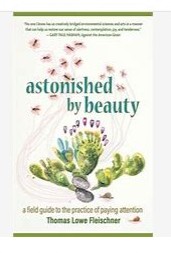
'Astonished by Beauty: A Field Guide to the Practice of Paying Attention'
A new book by Prescott-based naturalist and educator , published May 19 by Torrey House Press.
Thank you Joan for your May 24, 2026 article about Precott's Thomas Fleischner. These days..."PAYING ATTENTION"...isn't as easy as it may seem. It is a hard thing to do. Nature deserves our attention, we are part of it. Nature is only a few minutes away from any spot in Prescott. Watch the sunrise, take deep breaths. Take a chair.
Fleischner's website:
https://tfleischner.net/publications
Joan Meiners I Climate reporter
May 24, 2026 I Arizona Republic
USA TODAY NETWORK
Attention is the most basic form of love. So paying closer attention to nature is the most genuine way of restoring and repairing our human connection to it.
This is the central argument in a new book by Prescott-based naturalist and educator Thomas Fleischner, published May 19 by Torrey House Press.
'Astonished by Beauty: A Field Guide to the Practice of Paying Attention' begins with a definition of what natural history is — literally 'the story of nature' — and why it matters. A tendency to notice beauty and diversity in nature comes naturally to every human child, the author argues, until a society sick with unnatural distractions pulls that attention, that love, away. The result, research shows, is increased violence, depression, anxiety, isolation and a lack of the data, tools and coordination we need to enact effective environmental conservation for our own wellbeing.
- cover.jpg (11.89 KiB) Viewed 29 times
'Natural history is a verb, not a noun — a practice, something we do,' Fleischner writes. 'But we live today in the midst of the greatest dearth of natural history in human history ... The advertising industry and mass consumer culture collude to encourage this shrinking of the scope of our attention — this squashing of our curiosity, our inquisitiveness, and our bold, direct exploration of the world.'
Fleischner goes on to make his case for turning an inner mindfulness practice into a habit of outward observation, luring readers as he does his students down this path with short chapters that bring to life his own past experiences in close communion with nature — some of which seem fully larger than life.
In a slickrock canyon during the fall equinox, he leads a weary but inspired group of friends through a flash flood in a desert landscape 'where water plays by different rules,' and where 'thousands of crustaceans swim through the aquatic habitat that didn’t exist three days before.' On another trip that was meant to be aquatic, at sea, he experiences astonishment but also fear for himself and the students in his charge as they watch a pod of orcas attack some long-beaked common dolphins right next to their boat.
Science, and specifically the practice of accumulating observation data through the practice of natural history, should not be free of emotion, Fleischner passionately proclaims.
Feeling is the point,' he writes. 'Observing nature closely and carefully can, will, and should instill strong emotions: often joy, but also grief, sorrow, shock, and more. These feelings can serve as renewable sources of righteous fuel — for caring, for action, for clarity.'
At a time when environmental destruction and the loss of legal protections against it are happening faster and on a larger scale than ever, savoring nature is a pathway to saving it, the book concludes. Along the way, the practice of natural history will awe, inspire, expand and save you too.
Joan goes on to say Fleischner will be appearing across Arizona and the West...and east coast...on his upcoming book tour.
Joan Meiners is the climate news and storytelling reporter at The Arizona Republic and azcentral.com. Her journalism for various outlets has won national awards for investigative reveals, feature writing, business reporting and innovative climate coverage. Before becoming a journalist, she completed a doctorate in ecology with a focus on native bees. Send tips or questions to
joan.meiners@arizonarepublic.com; on Instagram, @joan-bikes-arizona .
'Astonished by Beauty: A Field Guide to the Practice of Paying Attention'
A new book by Prescott-based naturalist and educator , published May 19 by Torrey House Press.
[color=#FFBF80]Thank you Joan for your May 24, 2026 article about Precott's Thomas Fleischner. These days..."PAYING ATTENTION"...isn't as easy as it may seem. It is a hard thing to do. Nature deserves our attention, we are part of it. Nature is only a few minutes away from any spot in Prescott. Watch the sunrise, take deep breaths. Take a chair.[/color]
Fleischner's website: https://tfleischner.net/publications
Joan Meiners I Climate reporter
May 24, 2026 I Arizona Republic
USA TODAY NETWORK
[i][color=#FFFFBF]Attention is the most basic form of love. So paying closer attention to nature is the most genuine way of restoring and repairing our human connection to it.
This is the central argument in a new book by Prescott-based naturalist and educator Thomas Fleischner, published May 19 by Torrey House Press.
'Astonished by Beauty: A Field Guide to the Practice of Paying Attention' begins with a definition of what natural history is — literally 'the story of nature' — and why it matters. A tendency to notice beauty and diversity in nature comes naturally to every human child, the author argues, until a society sick with unnatural distractions pulls that attention, that love, away. The result, research shows, is increased violence, depression, anxiety, isolation and a lack of the data, tools and coordination we need to enact effective environmental conservation for our own wellbeing.[/color][/i]
[attachment=0]cover.jpg[/attachment]
[i][color=#FFFFBF]'Natural history is a verb, not a noun — a practice, something we do,' Fleischner writes. 'But we live today in the midst of the greatest dearth of natural history in human history ... The advertising industry and mass consumer culture collude to encourage this shrinking of the scope of our attention — this squashing of our curiosity, our inquisitiveness, and our bold, direct exploration of the world.'
Fleischner goes on to make his case for turning an inner mindfulness practice into a habit of outward observation, luring readers as he does his students down this path with short chapters that bring to life his own past experiences in close communion with nature — some of which seem fully larger than life.
In a slickrock canyon during the fall equinox, he leads a weary but inspired group of friends through a flash flood in a desert landscape 'where water plays by different rules,' and where 'thousands of crustaceans swim through the aquatic habitat that didn’t exist three days before.' On another trip that was meant to be aquatic, at sea, he experiences astonishment but also fear for himself and the students in his charge as they watch a pod of orcas attack some long-beaked common dolphins right next to their boat.
Science, and specifically the practice of accumulating observation data through the practice of natural history, should not be free of emotion, Fleischner passionately proclaims.
Feeling is the point,' he writes. 'Observing nature closely and carefully can, will, and should instill strong emotions: often joy, but also grief, sorrow, shock, and more. These feelings can serve as renewable sources of righteous fuel — for caring, for action, for clarity.'
At a time when environmental destruction and the loss of legal protections against it are happening faster and on a larger scale than ever, savoring nature is a pathway to saving it, the book concludes. Along the way, the practice of natural history will awe, inspire, expand and save you too.[/color][/i]
Joan goes on to say Fleischner will be appearing across Arizona and the West...and east coast...on his upcoming book tour.
Joan Meiners is the climate news and storytelling reporter at The Arizona Republic and azcentral.com. Her journalism for various outlets has won national awards for investigative reveals, feature writing, business reporting and innovative climate coverage. Before becoming a journalist, she completed a doctorate in ecology with a focus on native bees. Send tips or questions to joan.meiners@arizonarepublic.com; on Instagram, @joan-bikes-arizona .